

Cold Plasma Seed Treatment: A Green Agricultural Technology for Faster Germination and Enhanced Stress Tolerance
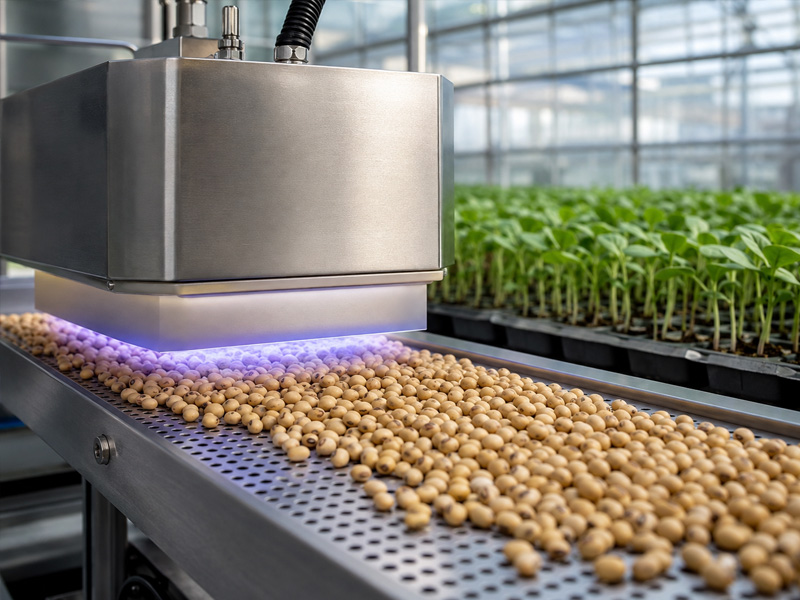
Did you know that cold plasma (CP) is no longer used only for industrial cleaning, surface treatment, and electronics manufacturing? It is also entering the agricultural field as a new tool for seed treatment and crop production.
Cold plasma works on the surface of seeds at a relatively low temperature. It can change the properties of the seed coat, help seeds absorb water more easily, and reduce harmful microorganisms on the surface.
For modern agriculture, this technology may help improve germination, support early plant growth, and reduce the use of some chemical treatments.
How Does Cold Plasma Activate Seeds?
Cold plasma is an energized gas containing electrons, ions, and highly active oxygen- and nitrogen-based particles.
When these particles touch a seed, they gently modify its outer surface. The seed coat may become slightly rougher and easier to wet, allowing water to spread across the surface and enter the seed more easily.
With the right treatment, seeds can absorb water faster and begin germinating sooner. Cold plasma may also help some thick-coated or dormant seeds start the germination process.
Three Important Benefits for Agriculture
1. Better Water Absorption and Faster Germination
Seeds need enough water before they can germinate. Cold plasma can make the seed coat easier to wet, helping water reach the seed more evenly.
According to cases presented on the Creating Nano Technologies agricultural applications page, plasma-treated cotton seeds achieved twice the germination rate of the control group under cold conditions.
This result shows the potential of cold plasma for cold-season planting and early seedling development.
2. Helping Control Microorganisms on Seeds
Bacteria, fungi, and other harmful microorganisms may remain on the surface of seeds. They can reduce germination rates or affect the health of young plants.
The active particles produced by cold plasma can damage these microorganisms and help reduce their number on the seed surface.
Cold plasma is a low-temperature, dry treatment. It may help reduce the need for some chemical disinfectants and lower water use. However, its effectiveness depends on the type of microorganism, the moisture level of the seeds, and the treatment settings.
Testing is therefore required for each crop and target microorganism.
3. Supporting Stronger Early Growth
A carefully controlled cold plasma treatment may activate the seed’s natural protection systems. This could help young plants respond better to environmental stresses such as cold, drought, or high salt levels.
In one soybean case, plasma treatment increased fresh root-nodule weight by 72% and raised nitrogenase activity by up to 1.6-fold.
These results suggest that cold plasma may do more than improve germination. It may also support root development, nutrient use, and early crop growth.
Longer Treatment Is Not Always Better
The results of cold plasma treatment depend on several factors, including:
- Treatment power and duration
- Type of process gas
- Distance between the equipment and seeds
- Seed variety and seed-coat structure
- Moisture content of the seeds
The right settings can activate seeds, but excessive treatment may damage the seed coat or reduce seed vitality.
Before using cold plasma in production, the process should be tested for each crop. Important indicators include germination rate, water absorption, seedling growth, and microorganism reduction.
Building More Sustainable Agriculture from the Seed
Cold plasma offers new possibilities for seed treatment—from improving water absorption and supporting germination to reducing surface microorganisms and strengthening the crop’s response to environmental stress.
As equipment and process control continue to improve, cold plasma could be combined with seed sorting, automated treatment lines, greenhouse production, hydroponics, and smart farming systems.
This technology may help improve agricultural efficiency while reducing reliance on traditional chemical treatments.
#CreatingNanoTechnologies #Greenhouse #Hydroponics #SeedTreatment #SeedGermination #SeedDisinfection #CropResilience
Learn more: Cold Plasma Applications in Agriculture
Results may vary depending on the crop, seed variety, treatment settings, and growing environment. Application testing and process validation are recommended before commercial use.
59 Alley 21 Lane 279, Chung Cheng Road, Yung Kang City, Tainan, TAIWAN
TEL:886-6-2323927 FAX:886-6-2013306 URL: http://www.creating-nanotech.com